
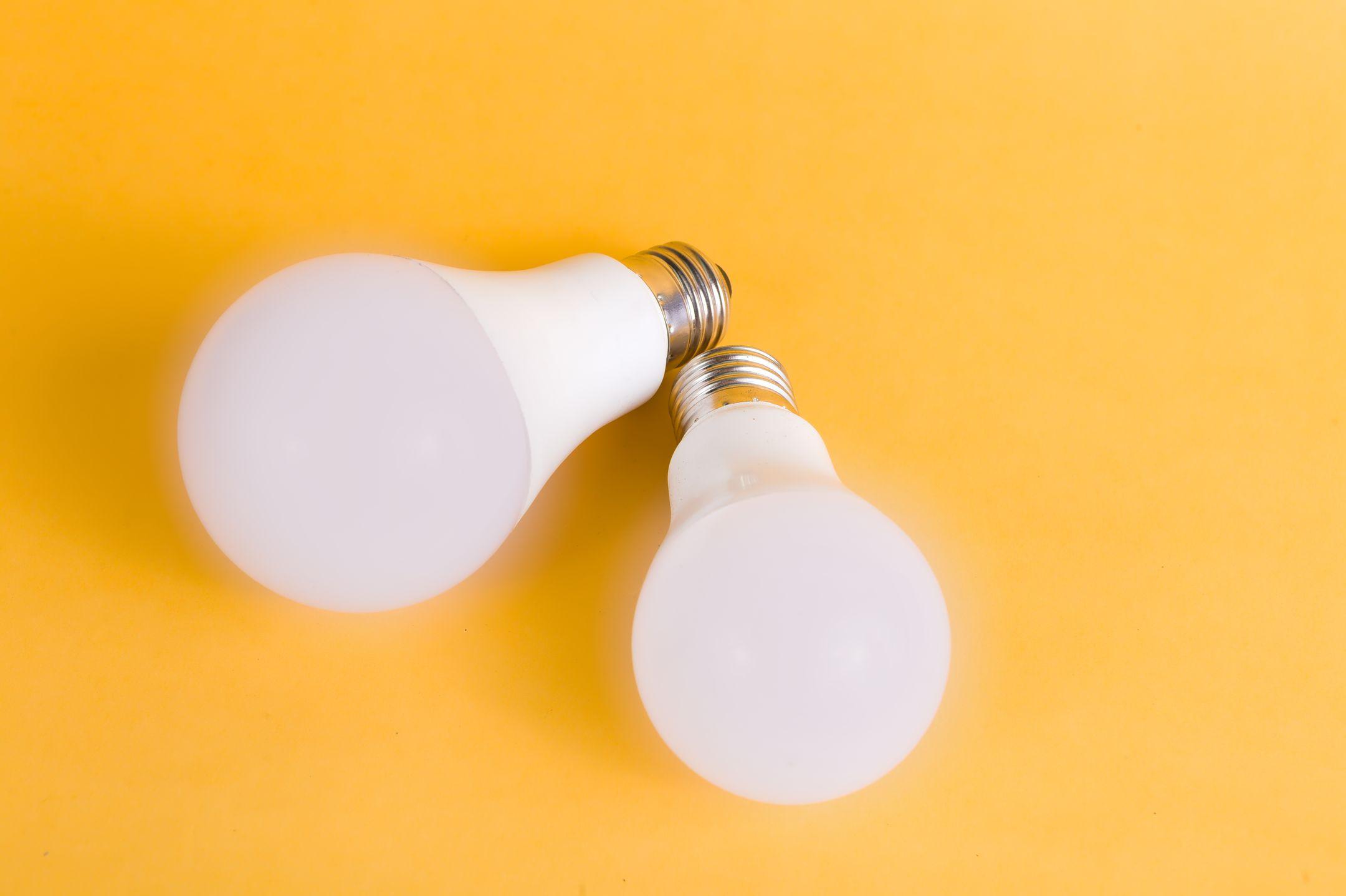
Lighting affects nearly every part of your home. It helps you see clearly, creates a comfortable atmosphere, and can even influence how much electricity your household uses each month. If you're still using older incandescent bulbs throughout your home, switching to residential LED lighting could be a simple way to improve efficiency.
LED bulbs have become a popular choice for homeowners because they use less energy and typically last much longer than traditional bulbs. They also come in a wide range of brightness levels, colors, and styles, making them suitable for everything from kitchen fixtures to outdoor lighting. Here are some of the key benefits of making the switch.
One of the biggest benefits of LED lighting is energy efficiency. LED bulbs use significantly less electricity than traditional incandescent bulbs, so your home's lighting system doesn't have to use as much power to provide the same illumination.
This is especially noticeable in rooms where lights stay on for long periods. Kitchens, living rooms, hallways, garages, and outdoor areas can all contribute to household electricity use.
Replacing several frequently used bulbs with LEDs may help reduce overall energy consumption. Exact savings depend on your home's lighting habits, the bulbs you currently use, and local electricity rates.
Using less electricity for lighting can also help reduce your monthly utility costs. While changing a single bulb won't make a dramatic difference on its own, the savings add up when you use LEDs throughout the house.
Think about how many light fixtures your home has. If each fixture has one or more bulbs and you use them every day, upgrading those lights can have a larger cumulative effect.
LED lighting can be especially appealing for homeowners looking for practical ways to improve energy efficiency without major home changes.
Another major advantage of LED lighting is longevity. LED bulbs generally last much longer than incandescent bulbs, so homeowners don't have to replace them as frequently.
That can make a difference in places where changing a bulb is inconvenient. A high ceiling, exterior fixture, recessed light, or hard-to-reach area may require a ladder or extra effort every time you need to replace a bulb.
Fewer replacements also mean fewer trips to the store and less time spent maintaining your home's lighting. Over the bulb's life, those small conveniences can add up.
Energy efficiency isn't just about saving money. Using less electricity can also reduce your household's energy use, supporting broader environmental goals.
LED bulbs also tend to require fewer replacements because of their longer lifespan. That means fewer used bulbs are discarded over time compared with lighting options that need to be replaced more frequently.
For homeowners who are looking for relatively simple ways to make their homes more energy-conscious, residential LED lighting is worth considering.
Energy efficiency doesn't mean sacrificing the look or feel of your home's lighting. LEDs are available in different color temperatures, brightness levels, shapes, and fixture styles.
You can choose warmer light for bedrooms and living spaces or brighter light for kitchens, work areas, and garages. Dimmable LED bulbs can also give you more control over a room's atmosphere when paired with compatible dimmer switches.
Outdoor LED lighting provides additional possibilities. Pathway lights, porch fixtures, security lighting, and landscape lighting can all benefit from efficient LED technology.
Traditional incandescent bulbs release a significant portion of the energy they consume as heat. LEDs use energy more efficiently to produce light, so they generally produce much less heat during normal operation.
This can help in enclosed spaces or areas where multiple lights run for extended periods. Lower heat output can also make LED bulbs more comfortable to handle during replacement, although bulbs and fixtures can still become warm during use.
Switching individual bulbs is usually straightforward, but larger residential lighting projects may involve more than replacing bulbs. Installing new fixtures, adding recessed lighting, changing switches, or updating wiring can require electrical knowledge and careful planning.
A licensed electrician can evaluate your existing system and help determine which lighting upgrades make sense for your home. Professional installation can also help ensure fixtures and controls are compatible with your electrical system.
Residential LED lighting can offer several practical benefits, including lower energy consumption, potential savings on utility bills, longer bulb life, reduced waste, and greater flexibility in home lighting design. For many homeowners, it's a relatively simple upgrade with benefits that can continue for years.
At Cogburn Electric, we can help you determine whether LED lighting is right for your home and provide professional electrical services for your lighting project. Our team is here to help you create a safer, more efficient, and comfortable home. Contact us today to discuss your residential lighting needs and get started.