
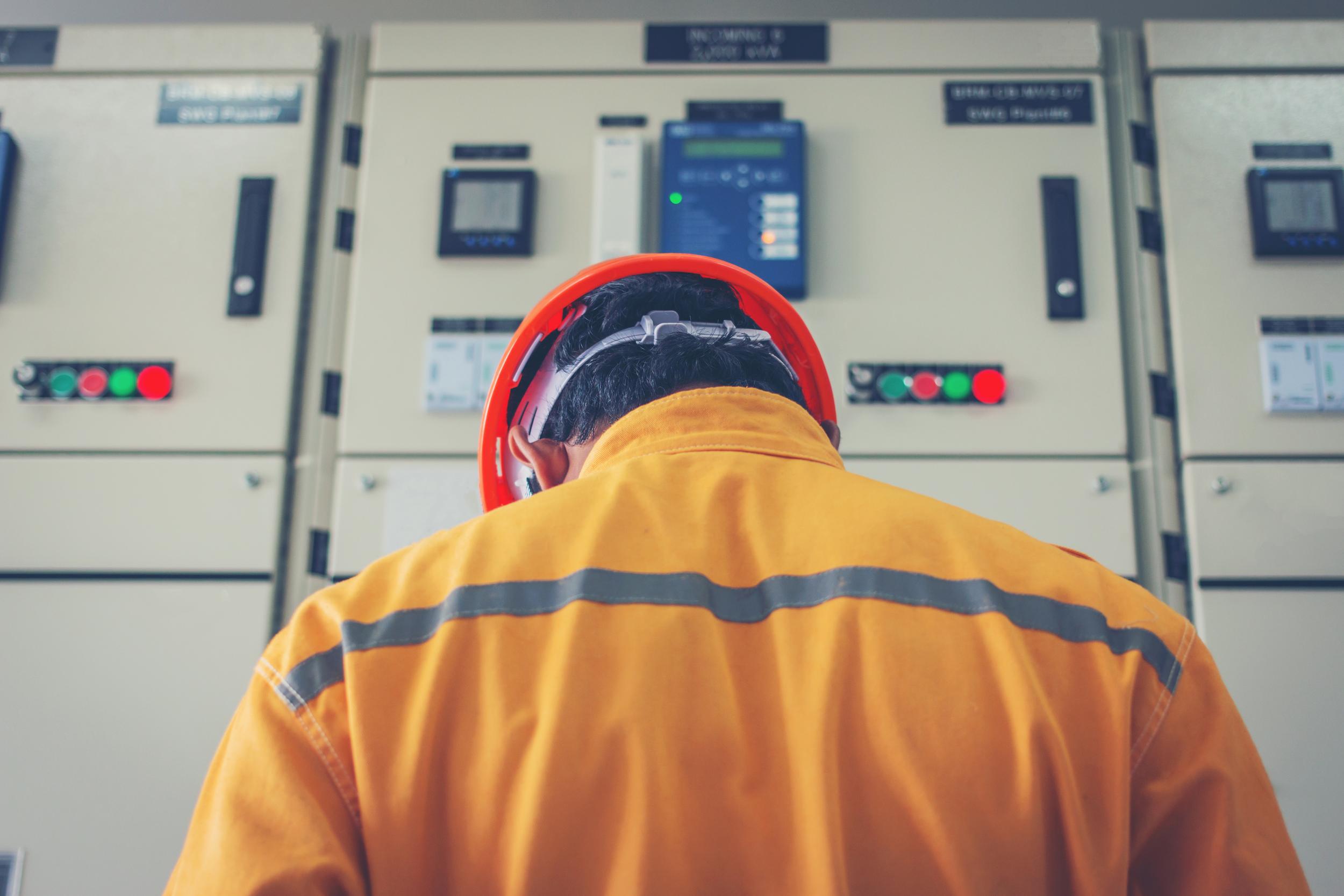
Industrial facilities depend on reliable power systems to maintain productivity. Manufacturing lines, processing equipment, and automated systems all require a stable and efficient electrical infrastructure. When it becomes necessary to upgrade power distribution systems, many facility managers worry about potential downtime that could interrupt operations and impact revenue.
Fortunately, modern electrical upgrade strategies allow industrial sites to improve capacity, safety, and reliability without shutting down production. With careful planning, experienced electricians, and the right equipment, power distribution upgrades can be completed while your facility continues to operate.
As facilities grow and adopt new technologies, electrical systems must evolve to support increased demand. Older power distribution systems may struggle to handle modern equipment, automation systems, and expanding operations.
Common reasons industrial facilities upgrade their electrical infrastructure include:
Upgrading power distribution systems helps ensure your facility operates safely and efficiently while supporting long-term growth.
The key to upgrading power distribution systems without disrupting operations is detailed planning. Electrical contractors begin by evaluating the existing infrastructure and identifying areas that require improvement.
This process often includes a comprehensive site assessment that reviews electrical panels, transformers, switchgear, and distribution networks. Once the system has been evaluated, electricians develop an upgrade plan that aligns with the facility’s production schedule.
Instead of shutting down the entire system, upgrades are typically performed in phases. This allows electricians to isolate specific areas while keeping the rest of the facility operational.
By coordinating closely with facility managers and maintenance teams, electrical contractors can schedule work during periods that minimize operational impact.
Phased electrical upgrades are one of the most effective ways to avoid production downtime. Rather than replacing large portions of the power system at once, electricians upgrade components step by step.
This method allows facilities to maintain power to essential equipment while improvements are completed in other areas.
A phased upgrade approach may include:
This structured process ensures that production equipment continues operating while the electrical infrastructure is modernized.
In some situations, temporary power systems may be used to maintain operations while upgrades are completed. Temporary generators, distribution panels, or bypass connections can help support critical systems during installation.
These solutions allow electricians to safely disconnect and upgrade existing equipment without interrupting production. Once the new infrastructure is installed and tested, the facility can transition to the upgraded power system.
Temporary power solutions are especially useful for facilities that operate around the clock and cannot afford extended downtime.
While avoiding downtime is important, safety must always remain the top priority during electrical upgrades. Industrial electrical systems carry significant power loads, and any modifications must be performed carefully to protect both workers and equipment.
Professional electricians follow strict safety procedures and industry regulations when performing upgrades. This includes proper lockout/tagout practices, system testing, and compliance with electrical codes.
Upgrading outdated electrical infrastructure also improves long-term safety by reducing the risk of overloaded circuits, equipment failures, and electrical hazards.
Although electrical upgrades require careful coordination, the long-term benefits are significant. A modernized power distribution system improves reliability, efficiency, and scalability for industrial facilities.
Upgraded systems often provide:
By investing in electrical infrastructure improvements, industrial facilities can support future growth while maintaining reliable operations.
When it comes to upgrading industrial power distribution systems, experience and planning make all the difference. At Cogburn Electric, our team understands how critical continuous production is for industrial facilities. We work closely with our clients to design upgrade strategies that improve electrical capacity and safety while minimizing disruptions to daily operations. Our team carefully coordinates every stage of the project, from system assessments to phased installations, ensuring your facility continues to operate while improvements are made.
If your industrial site needs electrical upgrades without the risk of costly downtime, we are ready to help. Contact us to learn more about how our team can support your next power distribution project.