
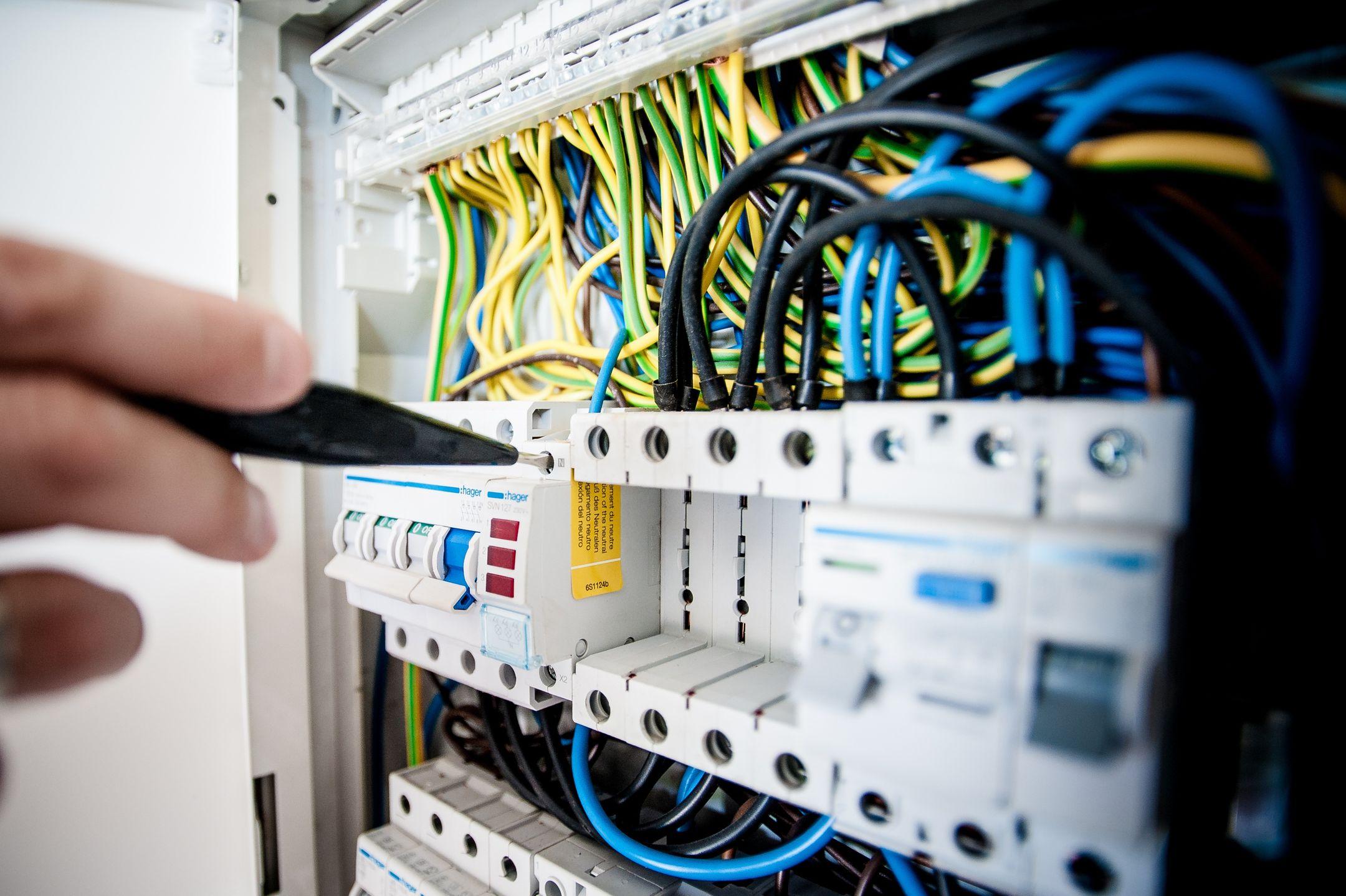
Your electrical panel plays a central role in keeping your home powered safely. It distributes electricity to your lights, outlets, appliances, HVAC system, and other electrical equipment throughout the house. As your home gets older or your electricity needs increase, your existing panel may struggle to keep up.
Fortunately, electrical panels often provide warning signs before a serious problem develops. If you've noticed frequent breaker trips, flickering lights, or other unusual electrical issues, it may be time to have your panel inspected. Here are seven signs that could indicate you need an electrical panel upgrade.
Circuit breakers are designed to shut off when a circuit becomes overloaded or encounters another electrical problem. An occasional trip isn't necessarily cause for concern, but frequent trips shouldn't be ignored.
If you're regularly resetting the same breaker while using everyday appliances, your electrical system may be struggling to handle the demand. An electrician can determine whether the problem is an overloaded circuit, a faulty breaker, a wiring issue, or insufficient panel capacity.
Do your lights flicker or briefly dim when the air conditioner, microwave, vacuum, or another large appliance turns on? This can indicate that your electrical system is struggling to handle changes in demand.
Occasional flickering can have several causes, so it doesn't automatically mean you need a new panel. However, frequent or widespread flickering deserves professional attention, particularly in an older home. An electrician can determine whether your panel, wiring, or another part of the electrical system is responsible.
Older electrical panels weren't necessarily designed to support the number of devices and appliances found in today's homes. A panel installed decades ago may have been perfectly adequate when your home had fewer electronics and smaller electrical loads.
Age alone doesn't always mean a panel needs replacing. However, an older panel should be inspected to determine whether it remains safe, reliable, and appropriately sized for your home's current electrical needs.
Adding major electrical equipment can increase the demands placed on your panel. New appliances, HVAC equipment, electric vehicle chargers, hot tubs, and other high-demand systems may require more capacity than your existing panel can provide.
You may notice signs such as:
An electrical panel upgrade can provide the capacity needed to support new equipment when your existing system isn't sufficient.
Your electrical panel shouldn't have visible signs of overheating or physical deterioration. Discoloration, scorch marks, corrosion, melted components, or unusual odors can indicate a serious electrical problem.
If you notice a burning smell, smoke, scorching, or melting around your panel, don't attempt to diagnose or repair the issue yourself. Contact a licensed electrician as soon as possible for an evaluation.
If your home still has a fuse box rather than a modern circuit breaker panel, it may be worth discussing an upgrade with an electrician. Fuse-based systems can be outdated and may not provide the capacity needed for modern electrical demands.
Replacing an older fuse box can also make it easier to add circuits and accommodate new appliances. A professional can assess your home's electrical service and determine which upgrade makes sense.
A renovation is a good time to evaluate your electrical panel, especially if you're expanding your home or adding electrical equipment. A kitchen remodel, finished basement, addition, EV charger, or new HVAC system can significantly increase electrical demand.
Upgrading the panel before the project is complete can help ensure your electrical system is prepared for the additional load. Planning may also help prevent unexpected electrical work from delaying a larger renovation.
Not every electrical problem requires a complete panel replacement. Some issues can be resolved by replacing a breaker, repairing wiring, or addressing an individual circuit.
However, recurring problems are worth investigating rather than repeatedly resetting breakers or ignoring flickering lights. A licensed electrician can evaluate the panel, determine your home's current electrical load, and recommend an appropriate solution.
Your electrical panel shouldn't be something you have to think about every time you turn on an appliance. If you're dealing with frequent breaker trips, flickering lights, an outdated panel, or limited electrical capacity, our team at Cogburn Electric can help identify the cause.
We provide professional residential electrical services designed to keep your home's electrical system safe and reliable. Contact our team today to schedule an evaluation and find out whether an electrical panel upgrade is right for your home.